If you have ever pulled back a corner of roof decking in a home or building here in Fort Worth, you know the surprise that can be waiting underneath. Mold does not need much to get started. A little moisture trapped between the roof shingles and the OSB decking, some warmth from a Texas summer, and suddenly you are dealing with black splotches that spread faster than you expect. I have seen it happen in houses that looked perfectly dry from the outside. The decking looks solid until you get up close, and then you realize the mold has been working its way through the material for months.
The instinct for many people is to grab bleach and a scrub brush. That is understandable. Bleach is cheap, it smells strong, and we have all been told it kills germs. But on porous surfaces like plywood decking or OSB, bleach can actually make things worse. The chlorine in bleach does not penetrate deep into the wood fibers. It kills surface mold, sure, but the roots of the colony stay alive under the surface. And the water in the bleach solution adds more moisture to the decking, which feeds the problem. I have had to explain this to homeowners who thought they had solved their attic moisture issue only to find the mold returning within weeks.
Understanding Why Mold Grows on Roof Decking
Roof decking sits right under the shingles. It is the structural layer that gives your roof its rigidity. In many homes built in the last few decades, that decking is OSB, which is basically compressed wood strands glued together. OSB soaks up moisture like a sponge if it gets wet. Even a small roof leak that goes unnoticed for a few rainy cycles can create a damp zone where mold and mildew thrive. The attic space below the decking often has poor roof ventilation, which traps warm humid air against the wood. That combination of moisture, warmth, and organic material is a perfect environment for mold growth.
Plywood decking is a little more forgiving because it has more layers of solid wood, but it is still vulnerable. Once mold gets established on the underside of the decking, it releases spores that float down into the attic and eventually into the living spaces below. That is when people start noticing that musty smell or allergic reactions. By that point, the mold colony is already well established, and “roof decking mold cleaning” becomes a necessary task rather than a preventive measure.
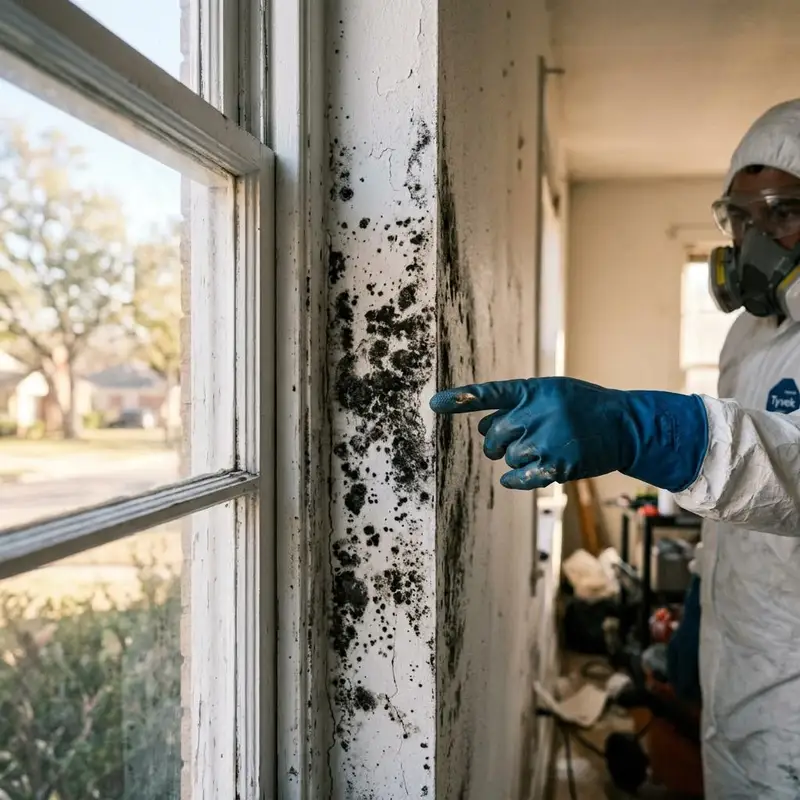
What Works for Cleaning Mold Off Decking
I have tried a lot of products over the years. Some work well on certain surfaces but fail on others. For roof decking, you need something that can penetrate the porous wood and kill the mold at the root without adding so much moisture that you create a new problem. Here are a few approaches I have found effective.
Hydrogen peroxide at a concentration of 3 to 5 percent can be applied with a pump sprayer. It foams up on contact with organic material, which helps lift the mold from the surface. Unlike bleach, hydrogen peroxide breaks down into water and oxygen, so it does not leave a toxic residue. You still have to be careful about oversaturation. Spray it on, let it sit for ten minutes, then scrub with a stiff brush and wipe away the excess. A HEPA vacuum is useful after the surface dries to capture any loose spores that might have been knocked loose during scrubbing.
White vinegar is another option that many people have in their pantry. It is acidic enough to kill many mold species, and it is safe to use around pets and children. The smell fades after a few hours. I have used white vinegar on plywood decking with good results, though it sometimes takes a second application if the mold growth is thick. The downside is that vinegar does not have the staying power of some commercial products. If the underlying moisture problem is not fixed, the mold will return.
Commercial mold cleaners like Concrobium and RMR-86 are formulated specifically for this kind of job. Concrobium works by creating a crystalline barrier on the surface that prevents mold from regrowing. RMR-86 is a stronger cleaner that uses a combination of detergents and sodium hydroxide to break down mold colonies. I have used both on roof decking projects in Fort Worth. They are more expensive than household products, but they save time on stubborn infestations. For really heavy growth on OSB decking, I usually reach for RMR-86 first, then follow up with a Concrobium treatment as a preventive layer.
Wet and Forget is a milder product that is better suited for outdoor surfaces like roof shingles or siding. It works slowly over weeks, which is fine for maintenance but not ideal for active mold growth on decking that needs to be cleaned quickly. I mention it because I have seen people try to use it indoors and get frustrated with the slow results. Know what you are buying.
Boric acid is sometimes mentioned in online forums, but I have not found it to be effective on its own for roof decking mold cleaning. It is a good fungistat when mixed into paints or coatings, but as a standalone cleaner it lacks the penetrating power to kill mold deep in wood fibers. Save it for other uses around the house.
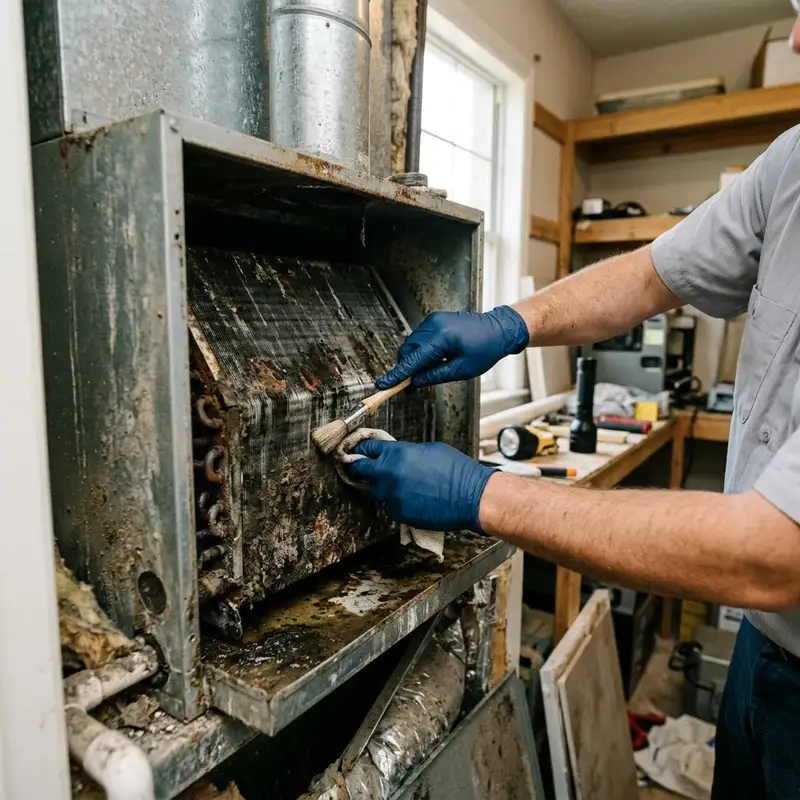
When to Call in a Professional
There is a difference between a small patch of mildew on the surface and a full-blown infestation that has spread across large sections of decking. If the mold covers more than about ten square feet, or if the decking has started to rot and lose structural integrity, it is time to bring in a mold remediation company. The same goes if you suspect the mold is toxic black mold, though in practice most mold on roof decking is not the highly dangerous type. Still, any mold colony that large will release enough spores to affect indoor air quality. A professional crew will have the right containment procedures, negative air pressure machines, and industrial HEPA vacuums to keep spores from spreading through the house during cleaning.
In Fort Worth, the humidity levels fluctuate enough that attic moisture can become a seasonal issue. I have seen homes where the decking looked fine in winter but developed mold by late spring. A professional inspector can identify hidden roof leaks and poor roof ventilation that contribute to the problem. Sometimes the fix is as simple as adding a few vents or improving insulation to keep the decking temperature more consistent.
Preventing Mold From Coming Back
Cleaning the mold is only half the job. If you do not address the moisture source, you will be cleaning again in a few months. Start by checking for roof leaks. Look for stains on the rafters or damp spots on the insulation. Even a small drip can keep a section of decking wet enough for mold to flourish. Replace damaged roof shingles and seal any gaps around flashing or vents.
Improving roof ventilation is often the most effective long-term solution. In many attics, the air is stagnant. Warm moist air from the house rises into the attic and condenses on the cold underside of the decking during winter nights. Ridge vents and soffit vents allow that moisture to escape before it settles. A moisture barrier installed on the warm side of the attic ceiling can also help by stopping humid air from reaching the decking in the first place.
After you have done the cleanup and fixed the ventilation, consider applying a mold-inhibiting coating to the decking. Some products are designed to be sprayed on after cleaning and they leave a thin film that resists future growth. I have had good results with Concrobium for this purpose. It is not a permanent fix, but it buys you a year or two of peace of mind while the ventilation improvements take effect.
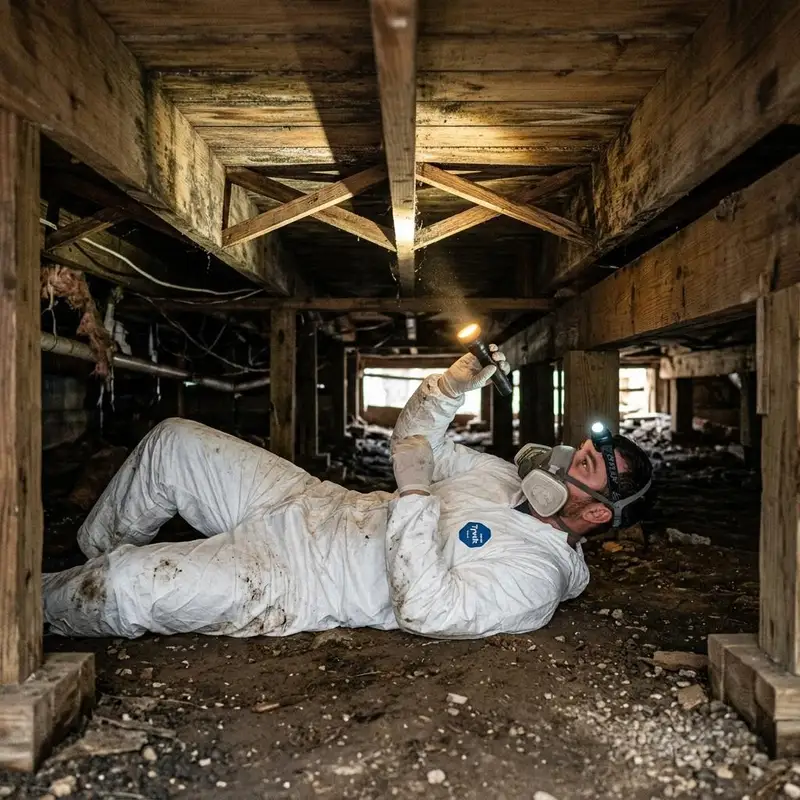
One more thing: do not forget to clean the surrounding area. Spores settle on rafters, insulation, and any stored items in the attic. A thorough HEPA vacuuming of the entire attic space after you finish the decking cleaning will remove a lot of the loose spores that could re-infect the wood. It is an extra step, but it makes a real difference in how long the cleanup lasts.
The Bottom Line on Roof Decking Mold Cleaning
Mold on roof decking is a common problem in Texas, especially in homes built with OSB decking and inadequate ventilation. The cleaning process itself is straightforward if you use the right products and techniques. Hydrogen peroxide, white vinegar, and commercial cleaners like Concrobium and RMR-86 all have their place. The key is to avoid bleach and to keep the cleaning method matched to the severity of the growth. But no amount of scrubbing will fix a roof leak or bad airflow. Those underlying issues have to be addressed or the mold will come back. For anyone facing a large infestation, professional mold remediation is worth the investment. It protects your structure and your health in ways that a weekend DIY job cannot match.